How to Get Rid of Mould from a Bathroom Ceiling
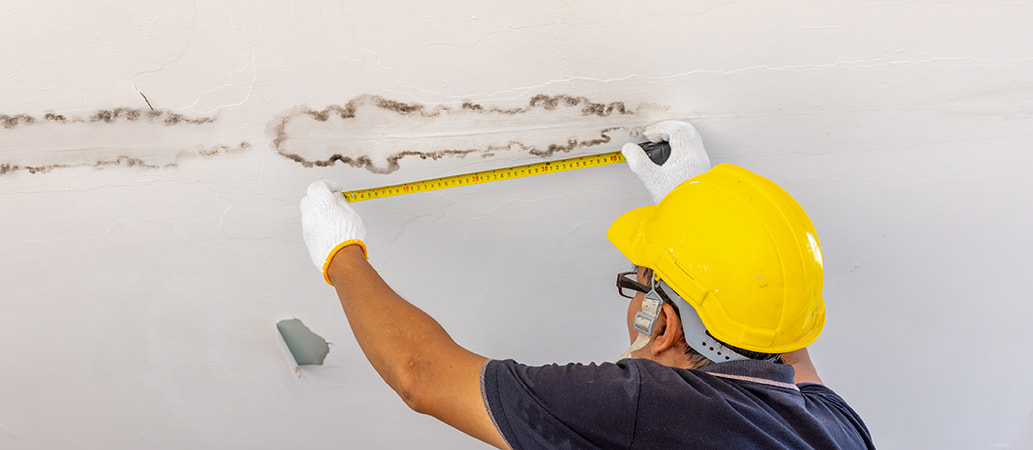
Bathrooms can be a breeding ground for mould, particularly on their ceilings. If you are a homeowner or tenant living with a mouldy bathroom ceiling, then this is the blog for you. We'll take a look at the main causes of mould, how to remove it, recommendations for preventing mould in the future, and which products will help your bathroom stay mould free.
What Causes Mould on Bathroom Ceilings?
There are many causes of mould developing on a bathroom ceiling. These include:
- High humidity levels
- Poor ventilation
- Condensation
- Leaks
Bathrooms experience high levels of humidity caused by warm showers, hot baths, and hot water taps being used daily. If not controlled, this humidity creates the perfect conditions for mould to develop and as hot air rises, this will most likely be on your bathroom ceiling.
Bathrooms need appropriate ventilation to allow moisture to escape. If you do not have any form of ventilation in your bathroom, such as a window or extractor fan, then moisture will remain in the room, settle on surfaces, and potentially cause mould and bacteria to form.
As with humidity, condensation from showers and baths can lead to mould if poor ventilation causes this moisture to settle or if the moisture is not wiped away directly.
You may have an undiagnosed leak somewhere in your bathroom which is causing damp and therefore mould. If you suspect there is a leak, carry out further investigation or contact your landlord.
Is Black Mould in Bathrooms Dangerous?
Black mould can potentially cause problems for people with pre-existing conditions, such as asthma, allergies, or a weakened immune system. It can also spread extremely quickly if left. As such, it is important to remove any black mould as soon as you can to protect the people in your home.
Step-by-Step: How to Remove Mould from Your Bathroom Ceiling
If you have mould on your bathroom ceiling, here is a simple step-by-step guide on how to remove it:
Firstly, remember to use a sturdy step in order to reach your ceiling safely and wear gloves to protect your hands from any cleaning products. It is also a good idea to wear protective eye wear as cleaning product and mould can fall from the ceiling during cleaning.
- Apply a mould remover spray or a homemade solution, such as white vinegar or baking soda combined with vinegar, to the affected area.
- Scrub the area gently with a soft sponge or brush.
- Dry the area with a clean cloth.
It's important to dispose of any materials you've used to clean the bathroom ceiling, such as sponges or cloths, to ensure the mould is not transferred to any other area.
Can You Paint Over Mould on a Bathroom Ceiling?
It is not advisable to paint directly over mould without treating it first. Mould will inevitably continue to grow and spread underneath the paint and eventually come through the painted surface. Removing the mould and thoroughly cleaning the area before painting should ensure the mould does not return and your paint remains intact. It is also worth considering using an antibacterial or mould resistant paint to help prevent mould developing in the future.
How to Prevent Bathroom Ceiling Mould Returning
Luckily, there are several ways to prevent ceiling mould in your bathroom.
- Correct ventilation
- Open a window
- Use a dehumidifier
- Regular cleaning
By installing an extractor fan or upgrading the one you have if it is not performing, will help disperse condensation and prevent moisture from building up.
If you don't have an extractor fan or even if you do! open a window slightly whilst you're in the shower or bath and open it wider once you've finished. This will have the same effect as an extractor but drawing moisture out rather than letting it settle.
If you do not have a window in your bathroom or ensuite, and do not have the means to install an extractor fan, then using a dehumidifier will help to reduce humidity within the room.
Wiping down after every shower and bath to remove moisture from surrounding surfaces will help to reduce the amount of condensation and consequently help to prevent the development of mould.
Overall, regular cleaning and ensuring effective air circulation will help prevent mould developing on your bathroom ceiling.
Why Waterproof Ceiling Panels Are a Smart Anti-Mould Solution
A long-lasting solution to preventing mould is waterproof ceiling panels. These panels have a plethora of characteristics which make them perfect for bathrooms:
- Most ceiling panels are 100% waterproof. This makes them perfect for rooms with high levels of humidity and moisture.
- Ceiling panels are extremely easy to clean. They only need a wipe with a dry, clean cloth to keep them hygienic and looking lovely.
- And finally, bathroom ceiling panels are very simple to install, allowing you to transform your bathroom ceiling in a matter of hours.
However, always remember to remove all mould before installing your new ceiling panels.
Shop Mould-Resistant Bathroom Products at National Plastics
If you're looking for a long-term solution to your bathroom ceiling mould and would like further information and guidance on ceiling panels, call our expert friendly team today on span 0800 22 77 77.
Related Posts
Smart Ideas for Ensuite Bathrooms
Renovating Your Bathroom with Zest Wall Panels
Can You Paint Over a Bathroom Panel?

Can You Put Acoustic Panels in a Bathroom?
How to Install Wall Panelling Around a Window