What Is the Best Material for Fascia Boards?
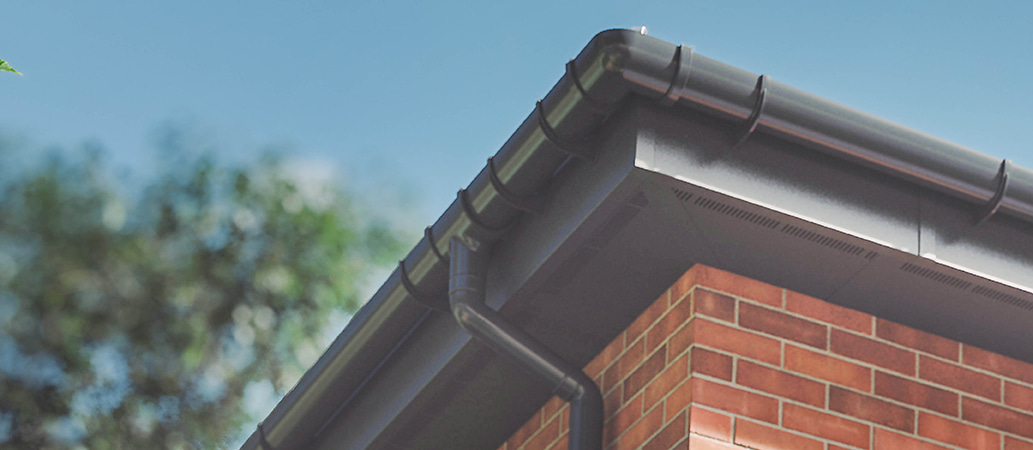
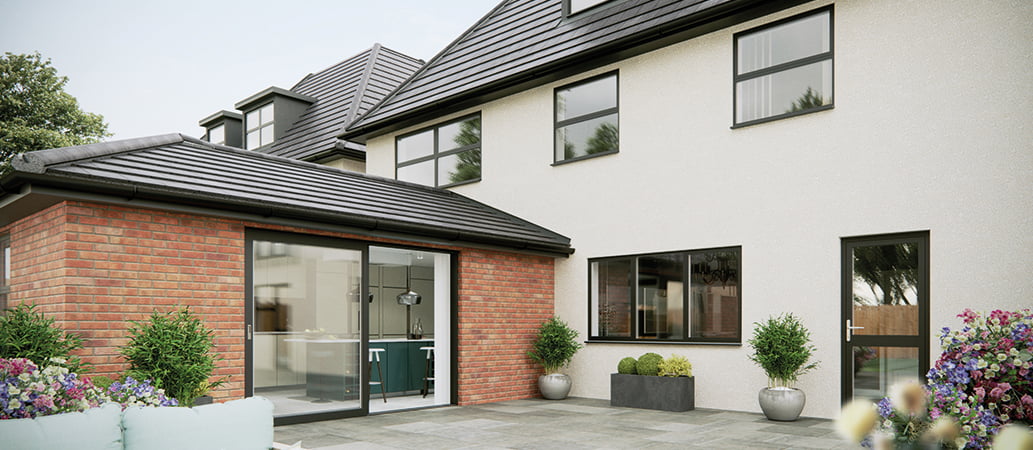
Fascias are a key component of your roofline, supporting the guttering and bottom row of roof tiles. As such, choosing the right fascia for your home is imperative. As well as coming in a range of colours and finishes, fascias are also available in a variety of materials such as timber, PVC, and composite, each coming with their own advantages and disadvantages. This blog will explore why choosing the right fascia material matters, the pros and cons of each, and which is right for your home.
Why Choosing the Right Fascia Material Matters
Your fascias need to be able to protect roof edges, support your guttering, support the lower row of roof tiles, and enhance the overall look of your home and the material you choose will impact how they perform in each of these areas. The best material for your fascias will depend on the look you wish to achieve, how long you want your fascia to last, the amount of maintenance you're willing to do, and your budget.
Common Materials for Fascia Boards
The three most common materials for fascia boards are PVC, timber, and composite.
PVC Fascia Boards
PVC is one of the most popular choices of fascia. It is long lasting, rot resistant, and low maintenance. It also comes in a variety of colours, enabling you to blend your new fascia into the existing exterior of your home. However, PVC does have some drawbacks. Over time, and particularly when exposed to extreme weather, PVC can fade and become brittle. Also, if you're looking to replicate a traditional timber look, PVC can be very limiting in terms of finishes.
Timber Fascia Boards
Timber is the most traditional fascia material choice. It offers a beautiful natural finish which complements any style of home. It can also be painted, which provides you with endless colour choices. However, as with PVC, timber does have its disadvantages. Timber can rot, splinter, and split if not properly maintained, which can affect the performance of your fascia. Also, it's worth bearing in mind that timber does require regular maintenance, in terms of treatments, to ensure it's protected from the elements.
Composite Fascia Boards
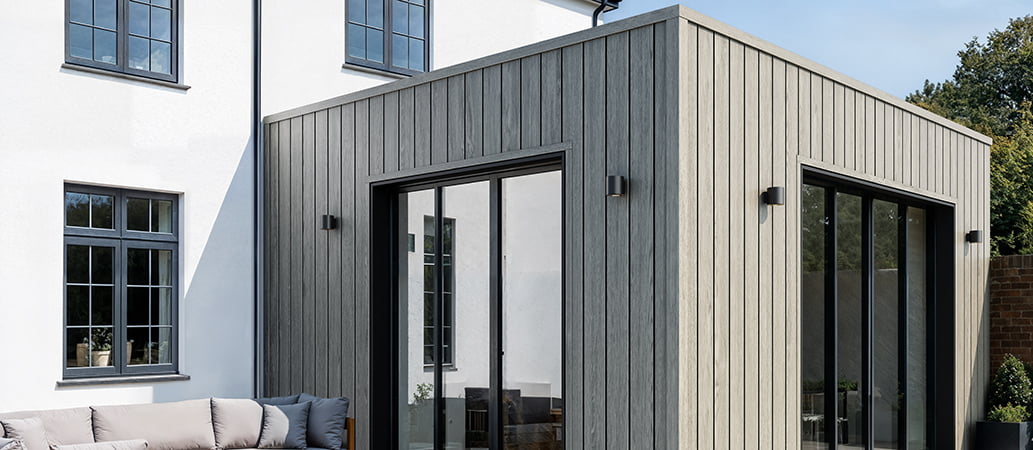
Composite fascia boards are the perfect combination of timber and recycled plastic, which results in a strong, durable, and long-lasting fascia. They perfectly emulate real timber, but will not rot, splinter, or split. They are also resistant to moisture and UV, whilst being extremely easy to maintain. One disadvantage to composite is the price. Composite fascia is one of the more expensive options on the market. However, their strength and durability mean they will last far longer than the alternatives and will be the most cost-effective over their lifetime.
Comparing Fascia Materials: Durability, Maintenance, and Cost
Below we've compared the materials in three categories. However, it's worth considering the lifetime cost of your chosen fascia, i.e. treatments, paint, repairs, and replacement costs.
- Durability: PVC and composite are the most durable options available. Timber is still durable, but it requires a lot of care and attention to maintain this durability.
- Maintenance: PVC and composite require very little maintenance, with a clean every three to six months and intermittent checks enough to keep it looking and performing at its best. Timber will need a lot more maintenance, in terms of treatments and cleaning, to ensure it functions correctly.
- Cost: Timber is the most cost-effective fascia option, followed by PVC. Composite is a more expensive choice. However, as mentioned above, it is important to consider the lifetime costs of you new fascia, such as treatments, repairs, maintenance hours, and replacement costs.
How to Choose the Right Fascia Material for Your Home
The right fascia for you will depend on several factors:
- Budget: your budget will have an impact on the type of fascia you can choose. We would always recommend buying the best your budget can stretch to and, again, always consider the lifetime cost of your chosen fascia.
- Style: the style and colour of fascia you're looking for will affect your choice. You may live in an older home and require a traditional finish, in which case a timber fascia may be the best option. Alternatively, you may have a modern home which calls for a more contemporary composite fascia.
- Maintenance: how much time are you willing to spend on maintaining your fascia? If you have the time and enjoy maintaining your home, then a timber fascia may be suitable. However, if you do not have a lot of spare time to dedicate to maintaining your fascia, then PVC or composite would be your best option.
- Compatibility: ensuring your new fascia is compatible with the existing roofline of your home is essential, for example, checking your guttering will sit correctly on your fascia. You may also wish to choose a fascia that complements your existing fitting and fixtures in terms of style and colour.
Maintaining Fascia Boards for Longevity
Regardless of which material you choose, there are ways to extend the life span of your new fascia:
- Regular inspections: keeping an eye on your fascia, simply by walking around your home, will ensure that you spot any issues early before they become a bigger problem.
- Cleaning: regular cleaning of your fascia will ensure that dirt does not build up, which if left can leave permanent marks or, if on a timber, splits and splinters.
- Timely repairs: if you do spot any potential issues, resolving them quickly will ensure they do not escalate into bigger, irreparable problems. This will save you both time and money.
PVC or composite fascias will require far less attention than a timber alternative and should last far longer. However, paying attention to your fascias on a regular basis, regardless of what they are made of, will ensure they last for many years to come.
Explore National Plastics' Range of Fascia Boards
If you need to replace your fascia but are unsure of which is best for you, call our friendly expert team today on 0800 22 77 77 for guidance and advice.
Related Posts
At our core – a focus on our key product ranges
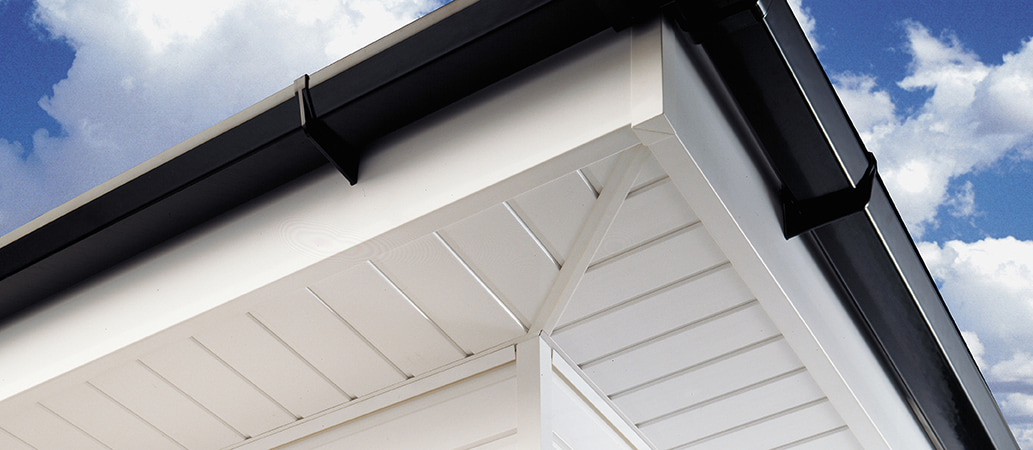
Soffit and Fascia Installation Costs – A Complete Price Guide
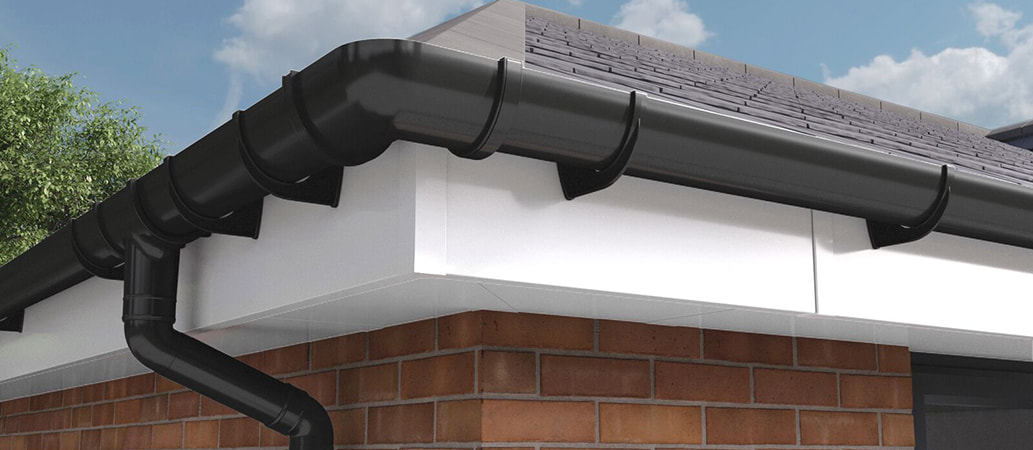
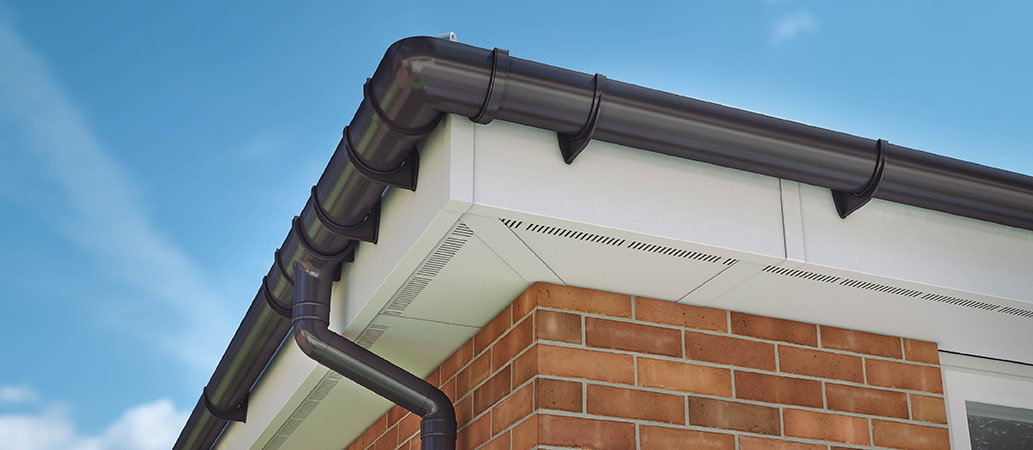
Do Soffits Need to Be Vented?
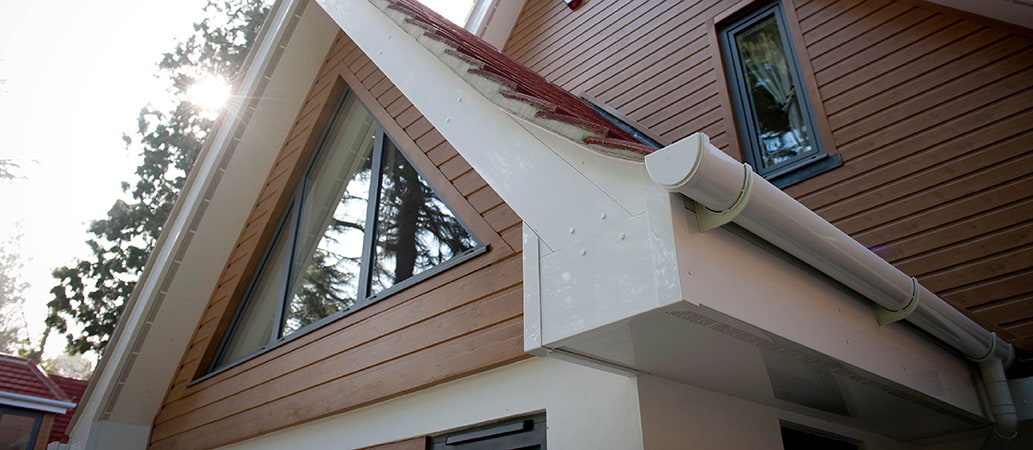
Eave vs Soffit: What’s the Difference?