Do Soffits Need to Be Vented?
Ventilation is key to maintaining a safe, healthy home, and never more so than in your roof space. Ensuring a flow of clean, fresh air is imperative in preventing moisture build up, mould, and potential wood damage. Soffit vents are an effective way of achieving this, and this blog will look at why, how, and when you should use them.
What Are Soffits and Why Are They Important?
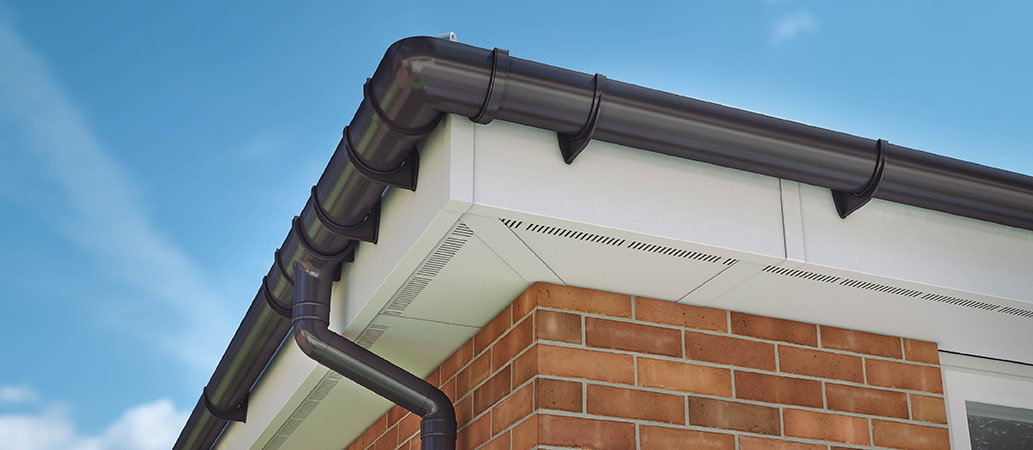
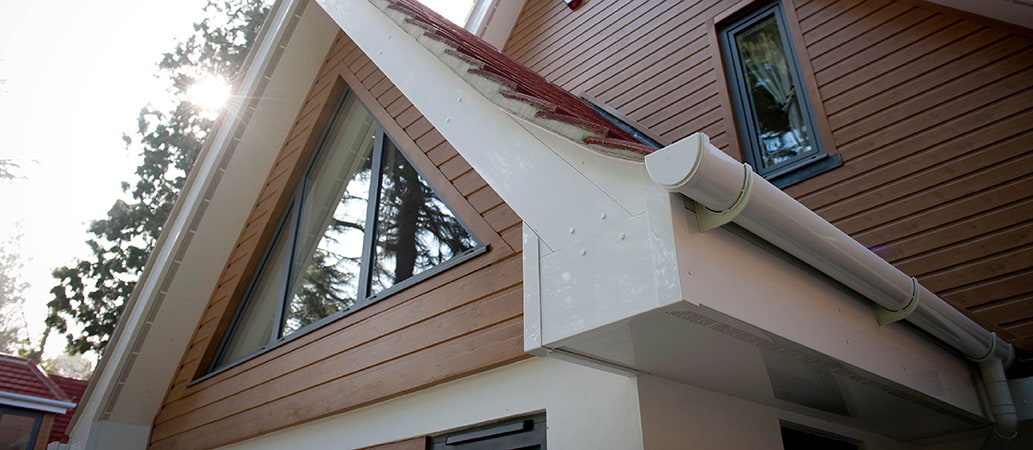
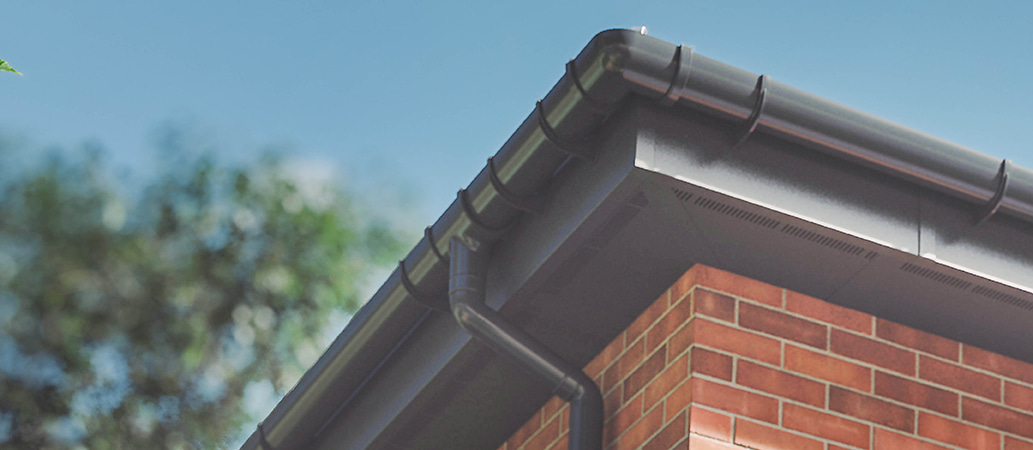
A soffit is a part of your roofline system. It is the flat board that is tucked away underneath the fascia board and covers the roof overhang from below. Its primary functions are to protect the exposed part of the roof between the external wall and the fascia, to keep out debris, dirt and pests, and enhance the exterior appearance of your home. Soffits are also convenient places to install vents.
What Is a Soffit Vent?
A soffit vent is a perforated opening covered by a grill or panel in your soffit. These vents can be circular, a continuous strip, or within the soffit itself. The vents allow air to flow freely into and out of your roof area. This flow of fresh air helps to prevent the build-up of heat and moisture, which in turn reduces potential roof damage.
Do Soffits Need Vents for Proper Roof Ventilation?
Whilst not all roofs require soffit vents, most will benefit greatly from the installation of soffit vents. They are particularly important in homes which have moisture concerns or those which experience extremes of temperature. Soffit vents play a key role in creating a balanced ventilation system within the roof space. They encourage the flow of fresh air throughout the cavity, which helps to regulate the temperature, remove stale air and moisture, prevent the build up of condensation, and prolong the life of your roof materials.
Benefits of Installing Soffit Vents
As mentioned above there are many benefits to installing soffit vents. These include:
- Improved airflow, which prevents the build-up of condensation and mould
- Improved energy efficiency
- Improved indoor comfort, particularly if you store items in your loft
- Extended roof lifespan, due to reduced moisture-related damage
When You Might Not Need Soffit Vents
There are some roofs which will not need soffit vents. These may include older homes, ones with fully open eaves, or roofs with alternative forms of ventilation. However, we would always recommend consulting a professional to determine the correct level of ventilation needed for your roof, and the ways in which you can achieve this.
How Many Soffit Vents Are Needed?
The number of soffit vents you need will depend on the size and shape of your roof and loft space. However, as a rule it is recommended that you should have one square foot of ventilation per every 150 square feet of loft space. For example, if your loft is 1,800 sq. ft simply divide 1800 by 150, which will determine you need 12 square feet of ventilation. The soffit vents should then be distributed evenly around the bottom of your eaves. But please note, this is only a guide, and we would recommend consulting the services of a professional to ensure your loft is correctly ventilated.
How Far Apart Should Soffit Vents Be?
Your soffit vents should be distributed evenly around the bottom of your eaves. The distance between the vents will depend on how many soffit vents you require (see above to calculate the number of vents you will need) and the length of your eaves. If you're able to roughly measure the length of your eaves, you will be able to divide the measurements by the number of vents you have. This should provide you with a guide as to how far apart you vents need to be.
How Big Should Soffit Vents Be?
As a rule, there should be one square foot of ventilation per 150 square feet of loft space. You can install half of the vents in the eaves and the other half at the top of the roof space, in the gable. This is the optimum arrangement to allow for the natural flow of clean air throughout the entire space. The size of vents will differ depending on the style and shape of vent you choose. For example, our circular vents are 70mm, whilst our Felt Lap Vent fits into openings from 400mm to 600mm.
If you think your home could benefit from more effective ventilation, but you're not sure where to start, call our expert, friendly team today on 0800 22 77 77 who can provide free, no obligation advice and guidance.
Related Posts

At our core – a focus on our key product ranges
Soffit and Fascia Installation Costs – A Complete Price Guide
Eave vs Soffit: What’s the Difference?
What Is the Best Material for Fascia Boards?