Condensation Between Window Panes: Causes and How to Fix It
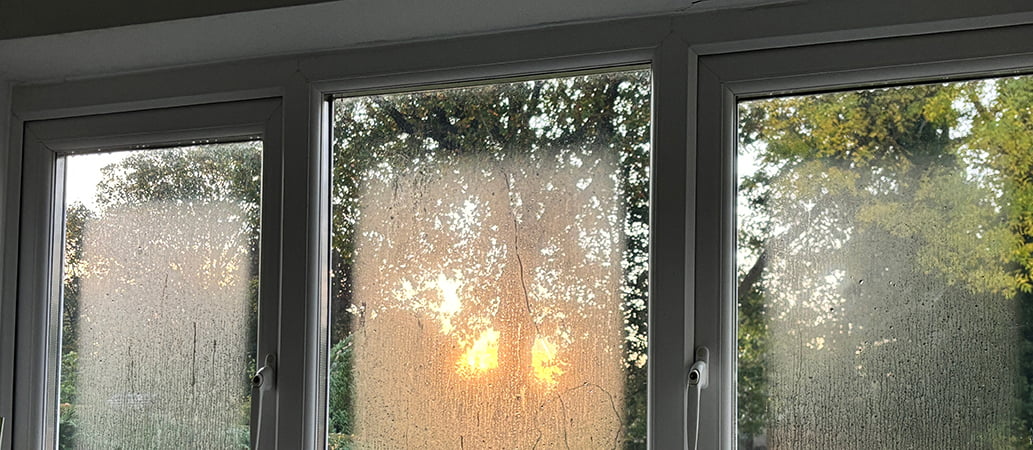
Condensation between windowpanes can be a sign of a damaged window. This blog will explore why condensation occurs, the most common causes of condensation in your window's glazing, and how to resolve it. So whether you are a homeowner, renovator or landlord who has spotted condensation, we hope you find this information a useful place to start.
What Is Condensation Between Glazed Window Panes?
Condensation occurs when warm air collides with cold surfaces. When this warm air, which is laden with moisture, comes into contact a cold surface, it cools down quickly and releases water which turns into water droplets. As well as occurring on both the inside and outside of your windows, condensation can also build up in between panes of glass in double and triple glazed windows.
How to Identify Internal Condensation
There are several signs that you may have internal condensation in your home. For example, peeling paint or wallpaper could be a sign of underlying damp in your walls. Moisture settling on surfaces and the development of mould are also signs that your home may be suffering from condensation.
Common Causes of Condensation Between Panes
There are a few reasons condensation may be appearing in between your windowpanes.
Failed or Compromised Seals
A major cause of condensation in a window is a failed or compromised seal. If not correctly sealed warm air will be able to circulate within your double or triple glazed windows. Once in contact with the cooler windowpane this air will turn into moisture and cause condensation.
Age and Wear of Double or Triple-Glazing Units
Wear and tear over several years can affect a window's integrity. The elements can cause seals and brick work to become damaged, which in turn can let in moisture and warm air.
Risks and Impacts of Condensation Inside Windows
So, how can condensation affect the performance of your windows?
Reduced Energy Efficiency
If any section of your window is compromised it can reduce its energy efficiency. If the window has a failed seal, cold air and moisture will be able to penetrate your home. This means your home will be cold and you will have to use more energy to heat it.
Potential for Damage or Discolouration
Condensation has the potential cause damage to your windows. It can cause discolouration to the window frame, which can look unsightly. Moisture can also accelerate the deterioration of seals and mechanisms, which in turn will have a negative effect on your window's performance.
Solutions for Condensation Between Window Panes
If you do have window condensation, there are a few solutions you could try:
Professional Inspection and Assessment
Firstly, ask a professional to inspect and assess your windows. They will be able to tell you, more accurately, what damage has been done and the best cause of action. This will prevent you from paying for unnecessary costly work and likewise ensuring that the correct course of action is taken.
Repair Options for Compromised Seals
If the seal around your window is compromised, it is possible to replace the damaged seal. You can also re-gas your windows to help prevent the development of condensation. However, these are only viable options if the damage to your windows is not that severe.
Replacement of Double or Triple-Glazed Units
In some circumstances, the damage to your windows may be so extensive, that only the replacement of your double or triple-glazed units is the solution. Whilst this is the most expensive option, it is the most long lasting. Consulting a professional company, such as National Plastics, will help to ensure that your new glazing is suitable for your windows and home and installed correctly.
Preventing Future Condensation Issues
There are ways you can help to prevent condensation within your windows and maintain their integrity.
Choosing High-Quality Glazing Units
This may sound obvious, but choosing high-quality, appropriately certified double or triple glazing with robust seals, will help to prevent the build up on condensation. Consulting a reputable company, such as National Plastics, will help you decide which windows are the best fit for you.
Proper Installation and Maintenance
The installation of your windows will have a huge impact on their performance. Well fitted windows will help to keep the heat in and the cold out, creating a cosy interior and helping to reduce energy bills. Windows which are not correctly fitted can lead to moisture ingress, condensation, and mould. Once your new windows are installed, it's important to follow the manufacturer's care instructions to maintain their performance. Inspecting your windows regularly will also help to identify any issues before they become an irreversible problem.
Speak to National Plastics About Glazing Solutions
If you're spotted condensation in your windows and would like further advice on how to tackle it, or if you'd like information on National Plastics' wide range of window solutions, call our friendly expert team today on 0800 22 77 77.