Composite vs uPVC Doors: Which Is Better?
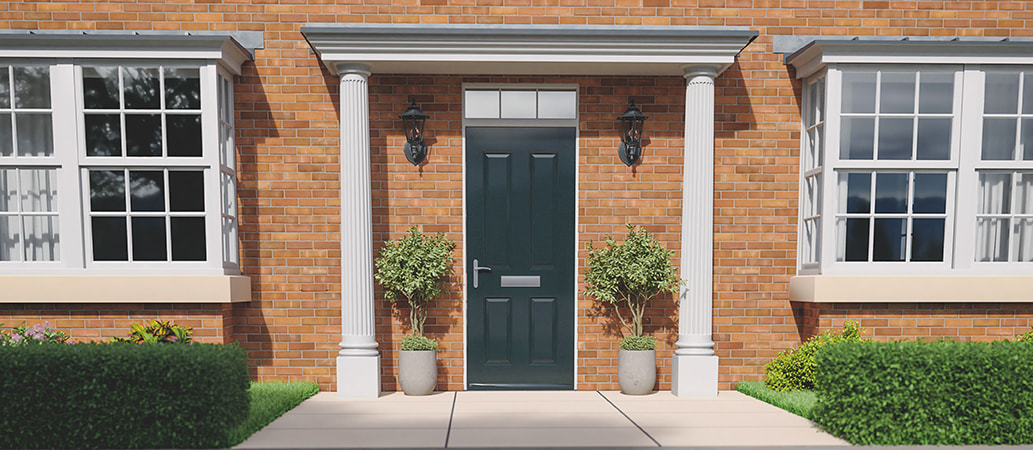
A front door is the gateway to your home. As such, it should provide protection, offer security, and aid energy efficiency, all while looking beautiful. But what type of front door is right for you and your home?
The two most popular front doors are composite and uPVC. Both have their advantages, but they also have distinct differences.This blog will explore these benefits and differences so you can make an informed choice when it comes to buying a new front door.
What Are Composite and uPVC Doors?
uPVC doors are lightweight, cost effective, and available in a wide range of styles and colours. Composite doors are crafted from a combination of materials, which offer a more durable, secure, and energy efficient option.
Key Material Differences Between Composite and uPVC
uPVC doors have an insulated steel framed core which is covered in Unplasticised Polyvinyl Chloride. The result is a strong and durable door, but one which has a distinctively plastic finish. Composite doors are made from a combination of materials.They usually have a solid timber core, which is then covered by a variety of materials, each chosen for their specific characteristics. These materials are pressed and glued together under pressure to create a long lasting, stylish, and strong front door.
When Were Composite and uPVC Doors Introduced?
uPVC was first introduced in the 1970's in the form of window frames. However, it was in the 1980's that uPVC became a serious alternative to aluminium, as it offered a more resistant material that offered versatility and durability throughout the year.Composite doors were introduced to the UK market a bit later than uPVC in the 1990's. They were developed in response to a need for a door which was more durable than wood and more stylish than plastic.
Pros and Cons of Composite Doors
So what are the advantages and disadvantages of choosing a composite door?
Advantages of Composite Doors
Composite doors offer a wealth of advantages, from enhanced security and excellent insulation to energy efficiency, durability and longevity. They are extremely low maintenance and can be kept looking lovely with just a wipe with a clean cloth, whilst the wide array of designs and colours now available mean they will complement any style of home.
Disadvantages of Composite Doors
The initial cost of a new composite door can be more expensive than that of a timber or uPVC door. However, the lifetime cost of a composite door is significantly less. Whilst timber will rot and splinter and plastic fade, composite is designed to last, maintaining its stability, strength, and style.
Pros and Cons of uPVC Doors
Now let's consider the pros and cons of a uPVC door.
Benefits of Choosing uPVC Doors
uPVC doors are one of the most cost-effective options on the market. Whilst not as longlasting as composite, uPVC is relatively durable and secure.They are available in a variety of designs and colours, making them ideal for homeowners who want style but on a budget.
Drawbacks of uPVC Doors
Whilst a cost-effective option, uPVC doors do have their drawbacks. Over time, there is a chance of the elements causing uPVC to become faded and worn, which could have a negative effect on a door's performance and appearance.
Composite vs uPVC: How Do They Compare?
So how do composite and uPVC compare?
Security Features: Composite vs uPVC
When it comes to security, composite doors have the advantage. They usually featureenhanced security features, such as a multipoint locking system, and are far sturdier than their uPVC counterparts.
Design and Style Options
Both uPVC and composite doors come in an array of designs and colours. However, the choice is usually wider when it comes to composite here at National Plastics our composite doors come in 20 different colours and designs. This means you can choose a door that truly suits your style and home, whether you're upgrading your entrance or coordinating with other features like a bi-fold door.
Energy Efficiency Comparison
A well fitted door will help to keep warm in and cold air out of your home. However, the materials from which your door is made will also help to enhance its energy efficient properties.
Maintenance and Durability
Both uPVC and composite doors require very little maintenance. However, when it comes to durability it is composite that has the upper hand. In terms of appearance, uPVC can fade over time whilst composite is designed to withstand the elements and remain looking beautiful. The composition of composite will also ensure it retains its integrity and strength over many years.
Conclusion: Making the Right Door Choice
The best door for you will depend on your budget and requirements. However, overall a composite door will provide more security, energy efficiency, and style than a uPVC option. If your budget will allow, we recommend choosing composite.
For further information about our range of composite doors and their many benefits, call our friendly expert team today on 0800 22 77 77.