A Pension Guide for the Self Employed
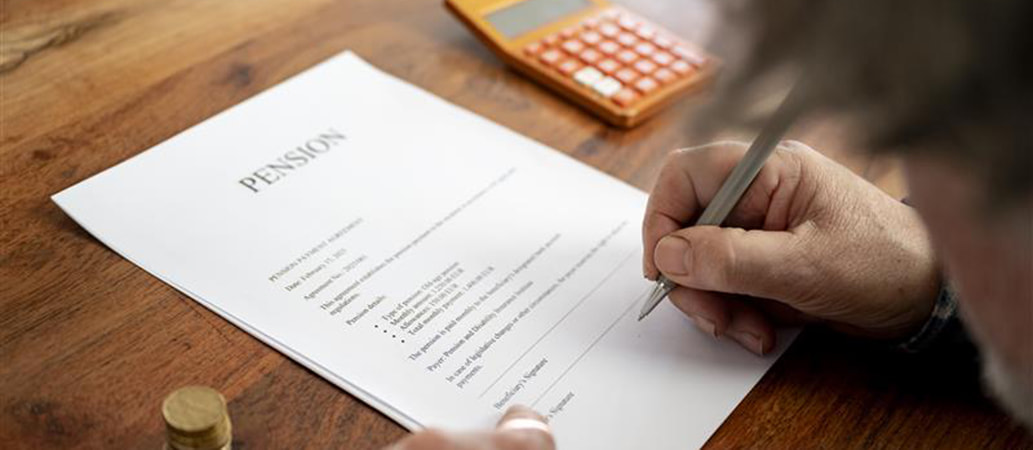
As a self-employed person you have a lot to juggle when it comes to money matters. As such pensions often get put to the bottom of the pile. However, you need to ensure you have enough funds to see you through your retirement, hopefully in comfort.
This blog looks at both state and personal pensions, and what you can do to make your money work for you and your future.
Do I get a state pension if I'm self-employed?
Yes, you are entitled to a state pension the same as an employed person. However, you do need to meet certain requirements:
- To claim the new State pension you must have been born on or after 6th April 1951 if you are a man or 6th April 1953 if you are a woman.
- You need to have at least ten qualifying years of National Insurance (NI) contributions or credits from either:
- Paying voluntary NI contributions whilst self-employed
- Working and paying NI
- Getting NI credits, during illness or unemployment
How much is a state pension?
If you have paid the required years of NI contributions, you should qualify for the full new state pension of £230.25 per week*.
Personal pensions for the self-employed
A personal pension is one you have arranged yourself, which is separate from the state pension. It works by your pension provider putting the money you pay into your pension into investments, such as stocks and shares. The final value of this pension will depend on:
- How much money you pay into your pension
- The performance of your pension investments
- The amount of tax relief you receive
- Any charges your pension provider takes from your pension
- Inflation and interest rates
There are three types of personal pension you can choose from:
A standard personal pension
You choose your pension provider and then arrange for payments into your pension these can either be lump sums or regular payments.
A stakeholder pension
A stakeholder pension is like a standard pension but with more flexibility. They:
- Allow you to change your contributions if you need to
- Allow you to choose and manage your pension up to a certain amount
- Allow free of charge transfers
- Limit the amount of charges you receive
- Allow lower minimum contributions
Self-invested personal pension (SIPP)
A SIPP gives you more control over your pension portfolio as you can choose where to invest your money. A SIPP can be risky, as there is the potential to make a wrong investment decision. However, they do have their benefits in that they have lower management fees and allow you to adapt your contributions as you need.
Whichever pension you choose, you can put as much as you like into it. However, it's worth bearing in mind that you will only get Income Tax relief up to a certain amount.
Seek professional advice
From setting up your pension to knowing your tax rights, it is worthwhile seeking advice from a professional financial adviser. They will advise on the best type of pension for you, how to make your money work harder, and guide you down the right path for you, your money, and your future.
*Correct at time of publication; State Pension Changes 2025/26 | Standard Life